
The Financial Costs of Regular Gambling
Frequent visits to casinos can seem harmless at first, but they often lead to significant financial expenditures that can quickly accumulate. Players might initially set aside a specific budget for entertainment, but the thrill and excitement of gambling can lead them to overspend. Many individuals find themselves delving deeper into their wallets, exploring options like cargarageservicesmiltonkeynes.co.uk to chase losses or succumbing to the allure of potential big wins, which can lead to devastating financial consequences.
Moreover, the nature of gambling often employs psychological tactics that encourage players to spend more. Bright lights, enticing sounds, and complimentary drinks create an atmosphere designed to induce spending. People may overlook their initial spending limits and instead find themselves caught in a cycle of continuous play and increasing losses. This can result in hefty bills, credit card debts, and the depletion of savings that were originally intended for other necessary expenses.
In addition to the direct costs associated with gambling, there are often indirect financial impacts to consider. For example, frequent casino visits can lead to missed workdays due to gambling addiction, resulting in lost wages. Additionally, people may neglect their financial responsibilities, such as bills and savings, prioritizing their gambling habit instead. As the financial burden continues to grow, it creates a cycle of stress that is hard to break, ultimately leading to more severe consequences.
The Emotional and Psychological Costs
While the financial implications of regular casino visits are evident, the emotional and psychological costs are equally significant. Many individuals who frequently gamble often experience heightened anxiety and stress. The pressure to win back lost money can lead to compulsive behavior, which in turn creates a vicious cycle of losses and emotional turmoil. This anxiety can manifest itself in various forms, from feelings of guilt to severe depression.
Furthermore, frequent gambling can exacerbate feelings of isolation. As individuals become more consumed with their gambling habits, they may withdraw from social interactions, neglect relationships, and forgo other enjoyable activities. This isolation can further compound feelings of loneliness and despair, leading to a deteriorating mental state. Family members and friends can also feel the strain, resulting in strained relationships and increased social detoxification.

Recognizing these emotional and psychological implications is essential for those who gamble frequently. It’s important to approach gambling with a responsible mindset, understanding both the highs and lows that come with it. Seeking support from professionals or support groups can help individuals find healthier coping mechanisms and strategies to manage their emotions and gambling behavior.
The Time Investment
Another often-overlooked cost of frequent casino visits is the substantial amount of time spent gambling. Many gamblers underestimate how much time they dedicate to playing, with hours blending into days as they chase the thrill of the game. This time investment can detract from other life priorities, including family time, work commitments, and personal development. As a result, individuals may find themselves sacrificing important aspects of their lives in pursuit of the next big win.
The loss of time can create a cascade of negative consequences. Individuals may miss out on important events, neglect their health, and lose touch with friends and family. Additionally, this lack of balance can lead to poor performance in work or academic settings, as the focus shifts away from responsibilities towards gambling pursuits. Consequently, individuals may find themselves grappling with feelings of regret and disappointment, as they come to terms with the time they have lost.
Furthermore, as time spent gambling increases, it becomes increasingly difficult to extricate oneself from the gaming environment. This entrapment can lead to compulsive behaviors and an inability to disengage from the casino experience. Understanding the true cost of time lost to gambling is crucial for those seeking to maintain a balanced lifestyle that prioritizes personal fulfillment and well-being.
The Impact on Relationships
Regular casino visits can also take a toll on relationships. As individuals invest more time and energy into gambling, they might find themselves alienating friends and family members who are concerned about their habits. This distance can lead to misunderstandings and conflict, as loved ones struggle to comprehend the allure of gambling. The emotional distance that develops can create a rift, causing relationships to deteriorate over time.
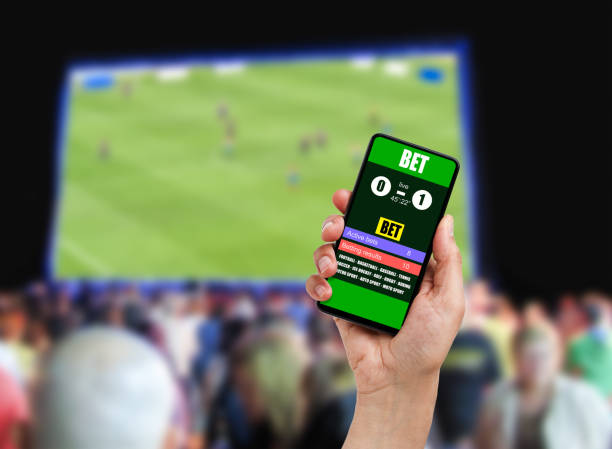
Moreover, financial strain caused by gambling losses can add stress to relationships, leading to increased tension and frustration among partners or family members. Arguments over money can surface, resulting in feelings of betrayal and resentment. In many cases, the fallout from such conflicts can lead to separation or divorce, particularly if one partner feels they can no longer support the gambling addiction of the other.
Recognizing the impact of gambling on relationships is essential for individuals seeking to maintain healthy connections. Open communication and the willingness to seek help can often bridge the gap created by gambling behaviors. It’s important for gamblers to understand that their actions not only affect them but also have lasting effects on their loved ones. Taking steps to address these issues can restore harmony and strengthen bonds.
Understanding the Importance of Responsible Gambling
Ultimately, understanding the hidden costs of frequent casino visits underscores the importance of responsible gambling. It is essential for individuals to be aware of their limits and to gamble with intention. Establishing clear boundaries for financial spending, time commitments, and emotional investment can help mitigate the risks associated with gambling. Players should regularly assess their gambling habits to ensure they remain a source of entertainment rather than a harmful obsession.
Additionally, education about the signs of problem gambling can be empowering. Knowing when to seek help and how to access resources can make a world of difference. Encouraging open discussions about gambling-related issues can dismantle the stigma surrounding it, allowing individuals to seek help without fear of judgment. Support networks can provide assistance and strategies for those trying to regain control over their gambling habits.
In conclusion, recognizing and addressing the hidden costs of frequent casino visits can lead to healthier gambling practices. By taking proactive steps to maintain balance in life and relationships, individuals can enjoy gambling as a form of entertainment rather than a destructive force. Fostering a responsible gambling environment can pave the way for enjoyable experiences without the detrimental effects that often accompany frequent visits to casinos.
